.webp)
.png)

Freight forwarder, NVOCC and customs broker are three separate licenses. Here is what each one is responsible for and why it matters when a shipment goes wrong.

Customs Bonds Explained: What Importers Need to Know
A customs bond is required for most commercial imports into the US. Here's what it is, who needs one, and how to get it right.
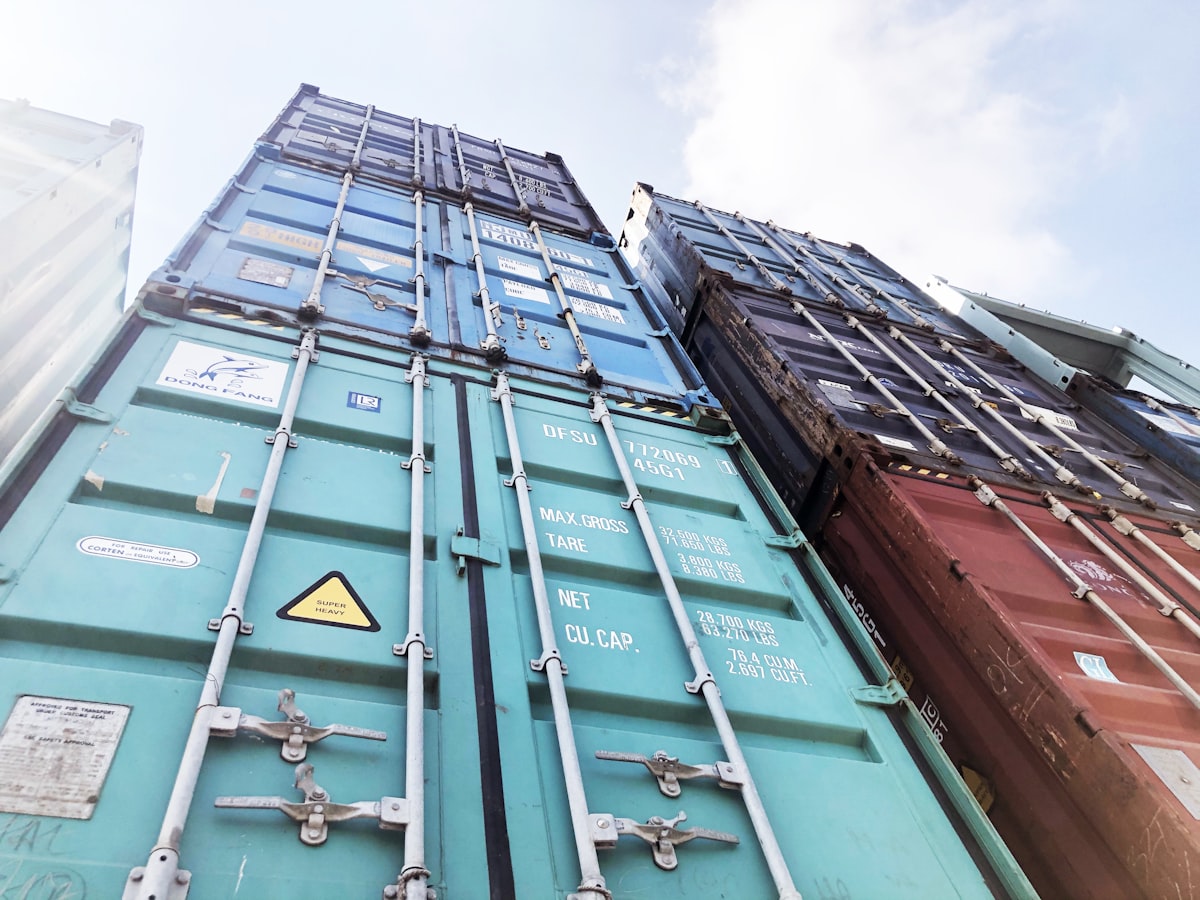
How U.S. Tariff Changes Are Affecting Global Freight
Most businesses importing goods into the United States commercially need a customs bond, but it's one of the least understood parts of the import process. Getting it wrong, or not having one at all, can hold up a shipment at the border.
What a Customs Bond Actually Is
A customs bond is a financial guarantee to U.S. Customs and Border Protection that duties, taxes, and any penalties owed on an import will be paid. It isn't insurance for your cargo. It protects the government's ability to collect what it's owed, and it's required for most formal entries valued over $2,500.
Single Entry vs Continuous Bonds
A single entry bond covers one specific shipment and is usually the right choice for businesses importing only occasionally. A continuous bond covers all of a business's imports over a 12-month period across any port of entry, and works out cheaper for businesses shipping regularly. Most established importers move to a continuous bond once shipment frequency justifies it.
How Bond Amounts Are Set
Bond value is typically calculated based on duties, taxes, and fees expected over the bond period, with a standard minimum for continuous bonds. Importers of goods subject to additional tariffs, such as anti-dumping duties or Section 301 tariffs, may need a higher bond amount to reflect the increased financial exposure.
What Happens Without One
Goods can't clear customs without a valid bond in place. A shipment arriving without appropriate bond coverage can sit in a bonded warehouse accruing storage costs while the issue is resolved, which is a considerably more expensive problem than arranging the bond correctly in advance.
Flagship Forwarding helps importers determine whether a single entry or continuous bond fits their shipping pattern, and arranges the right coverage before goods depart. Contact us to talk through your import programme.
More Logistics Insights
Expert perspectives, industry updates, and practical strategies for navigating global freight and supply chain challenges.
view all articles

Request Information
.webp)
.avif)
How can we help?
1-877-543-9767
Ready to Optimize Your Supply Chain?
Get a tailored quote within 24 hours.

20+
Years of Experience
.svg)
120+
Countries Served
.png)
3500+
Active Clients
24/7
Worldwide Support