.webp)
.png)
Freight forwarder, NVOCC and customs broker are three separate licenses. Here is what each one is responsible for and why it matters when a shipment goes wrong.

Drayage and Chassis: The Inland Leg Importers Underestimate
The container is off the ship and the expensive part is starting. Here is how drayage, chassis and free time work, and where importers lose money inland.
How U.S. Tariff Changes Are Affecting Global Freight
Most importers price an ocean shipment carefully and then treat the last forty miles as a rounding error. It is the leg that most often comes in over budget, and the charges that cause it are the ones nobody quoted because nobody asked.
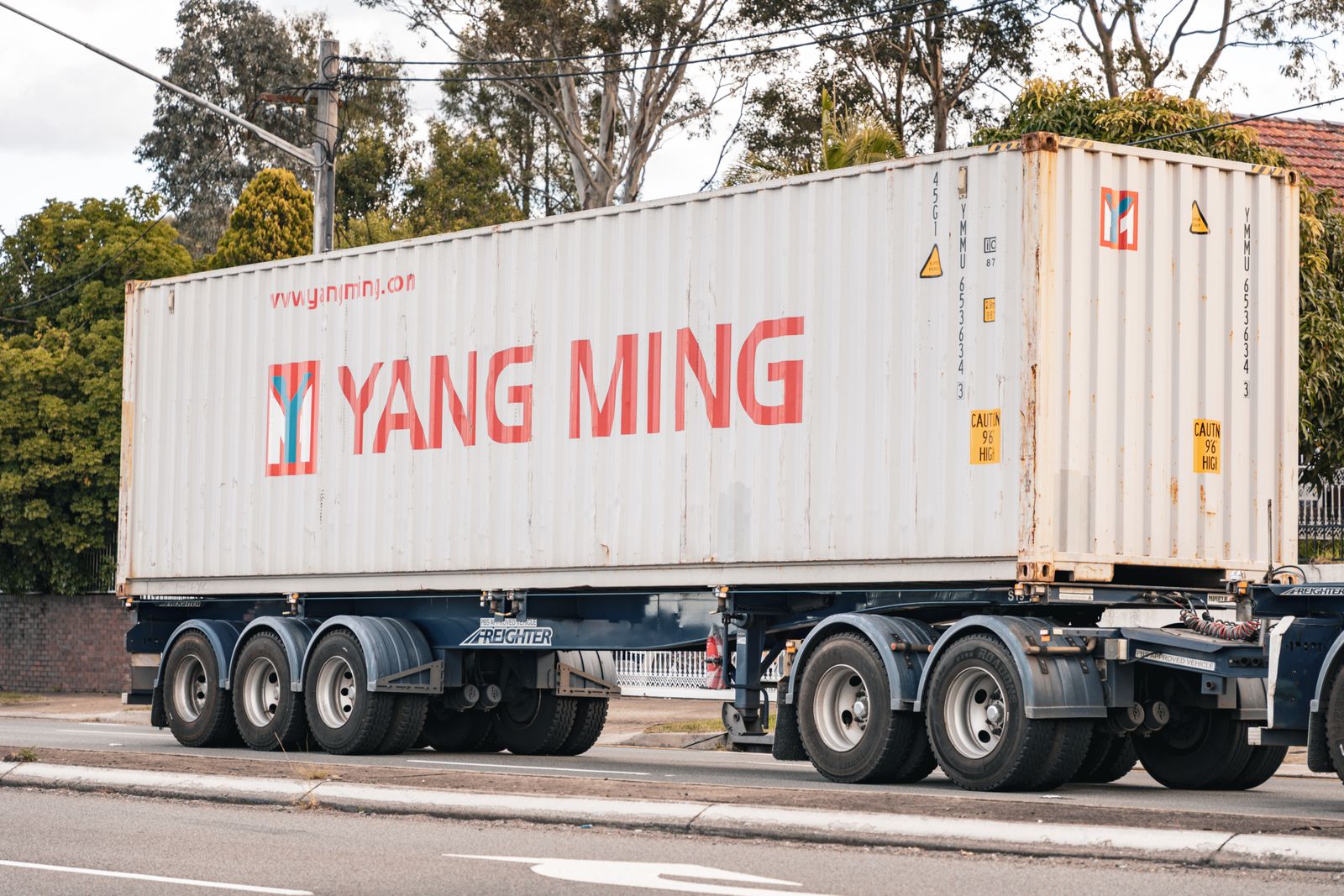
Drayage is the short haul move of a container between the port terminal and a warehouse, rail ramp or distribution center. It is a small distance and a disproportionate share of the cost and the risk.
What Drayage Actually Covers
A drayage move is not simply a truck driving a container somewhere. It is an appointment at a terminal, a queue, a container lift, a piece of equipment to carry the box on, a road move, time at your door while it is unloaded, and a return of both the container and that equipment to wherever they are meant to go.
Each of those steps has a way of costing more than planned. The terminal appointment may not be available on the day you want it. The queue may take hours that are billable. The unloading window at your warehouse may run past the free time the driver has allowed. And the empty return may be refused, which means the container comes back to a yard and gets stored.
That last one surprises people the most. A carrier can decline empty returns at a terminal when the yard is full, and the container then sits accruing charges while nobody is doing anything wrong.
The Chassis Problem
An ocean container cannot travel on a road by itself. It needs a chassis, the wheeled frame it sits on, and in the United States the chassis is very often a separate rental from a separate provider with its own daily rate.
This is the single most misunderstood line on an inland invoice. Importers assume the trucking rate includes the equipment. Frequently it does not, and chassis days are billed alongside the move.
Two consequences follow. First, anything that keeps the container on the road longer, a delayed unload, a missed appointment, a weekend in between, adds chassis days as well as everything else. Second, in a busy port during peak season chassis availability itself becomes the constraint. A container can be discharged, cleared and ready with no way to move it, which is not a problem money solves quickly.
Free Time, and the Clock You Do Not See
There are several clocks running at once after discharge and they belong to different parties.
- Terminal free time. How long the loaded container may sit at the port before storage charges start.
- Container free time. How long you may keep the carrier's container once you have taken it away, before per diem charges start.
- Chassis days. Billed from pickup to return, independent of both of the above.
- Driver waiting time at your door. Usually a short included window, chargeable after it.
The difference between demurrage and detention is worth reading alongside this, because the first two clocks in that list are exactly what those two charges bill for, and importers routinely assume clearing one stops the other.
When Transloading Beats Straight Drayage
Straight drayage delivers the ocean container to your door and takes it away empty. That is the right answer when your facility can receive a container and unload it quickly.
It is the wrong answer more often than people expect. If your site has no dock suitable for a container chassis, if unloading will take longer than the free time allows, if the cargo is going to more than one destination, or if you are moving inland by road and want the freight in domestic trailers, then transloading is usually cheaper overall. The container is stripped near the port and returned quickly, which stops the per diem and chassis clocks early, and the cargo continues on equipment that suits the rest of the journey.
The comparison people get wrong is that transloading looks like an extra cost line against straight drayage, so it gets rejected on the quote. It has to be judged against the demurrage, per diem and chassis days it avoids, and on a slow unload it wins comfortably.
What to Ask Before the Container Lands
Four questions, all answerable before the vessel arrives, and each one closes a common source of overrun.
How much free time do I have, on the terminal and on the container, and from what date does each start? Not the same number and not the same start.
Is the chassis included in the drayage rate or billed separately? Get it in writing at quote stage.
How long will my site take to unload, honestly? If the answer is more than a couple of hours, the transload conversation should happen now rather than after the charges.
Where does the empty go back, and is that location currently accepting returns? The answer changes week to week at a busy port.
We handle the inland leg as part of the shipment rather than as somebody else's problem after discharge. The ground freight forwarding and warehousing and storage pages set out what that covers, and if you want the inland cost estimated before you book the ocean leg, request a quote.
More Logistics Insights
Expert perspectives, industry updates, and practical strategies for navigating global freight and supply chain challenges.
view all articles

Request Information
.webp)
.avif)
How can we help?
1-877-543-9767
Ready to Optimize Your Supply Chain?
Get a tailored quote within 24 hours.

20+
Years of Experience
.svg)
120+
Countries Served
.png)
3500+
Active Clients
24/7
Worldwide Support