.webp)
.png)
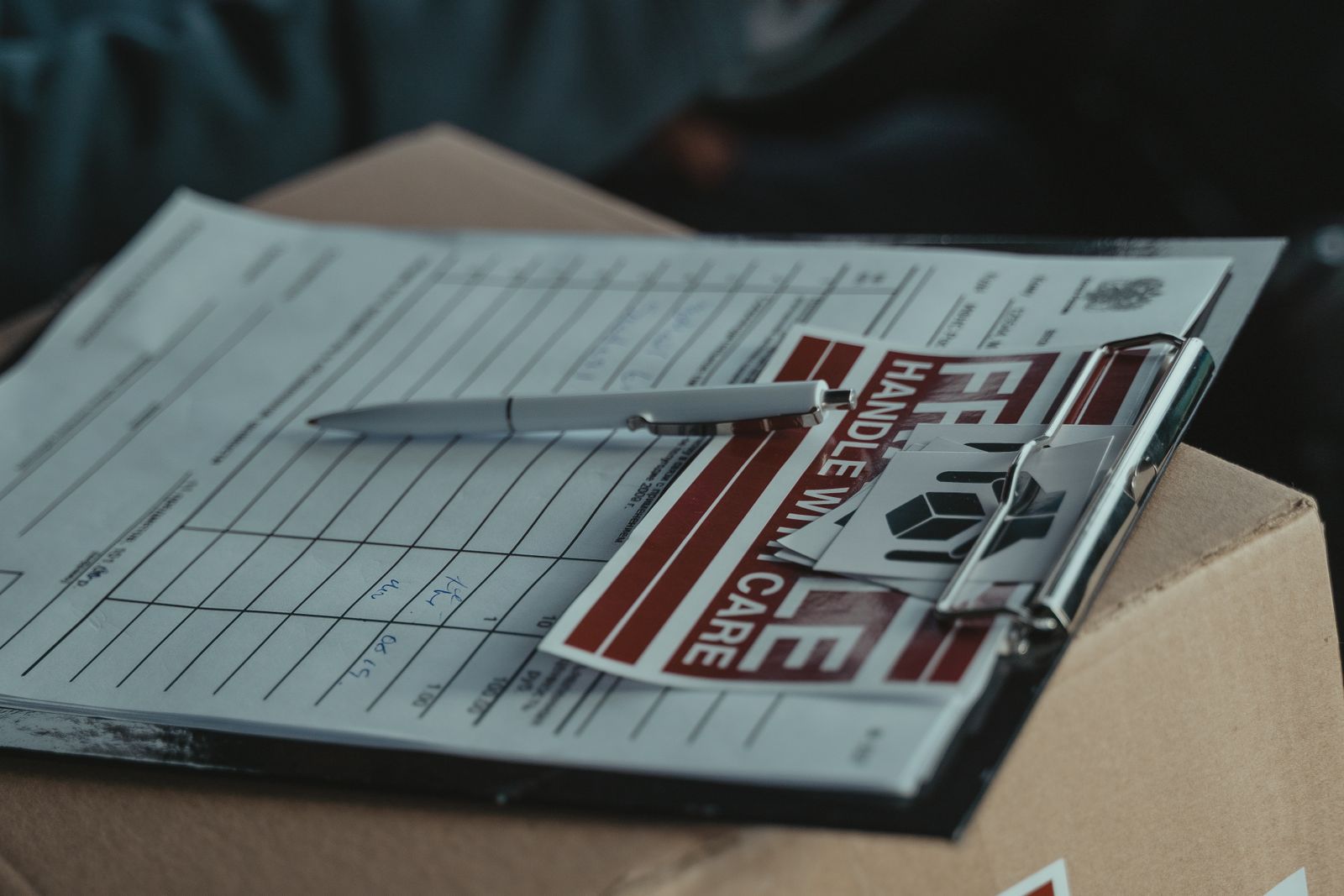
Three ways to release a container at destination, and the wrong one strands your cargo. Here is what an original B/L, a telex release and a seaway bill each do.

The Future of International Auto Transport: Managing EV Shipping and New IMO Regulations
Learn how the massive boom in electric vehicles and strict new IMO safety regulations are fundamentally changing international car shipping in 2026.
How U.S. Tariff Changes Are Affecting Global Freight
The EV Revolution and the Necessary Shift to Containerization
The international vehicle logistics and auto transport landscape is undergoing a massive, unprecedented structural transformation in 2026. Historically, global auto shipping was dominated by massive Roll-on/Roll-off (RORO) vessels. Today, the industry is shifting rapidly to accommodate the surging global demand for Electric Vehicles (EVs).
Electric vehicles present highly unique logistical challenges. EV lithium-ion battery packs make these vehicles significantly heavier than traditional internal combustion engine counterparts, requiring specialized port handling equipment and higher load ratings. The advanced batteries powering EVs also demand far tighter control over ambient temperature, relative humidity, and excessive vibration during long-distance maritime transit.
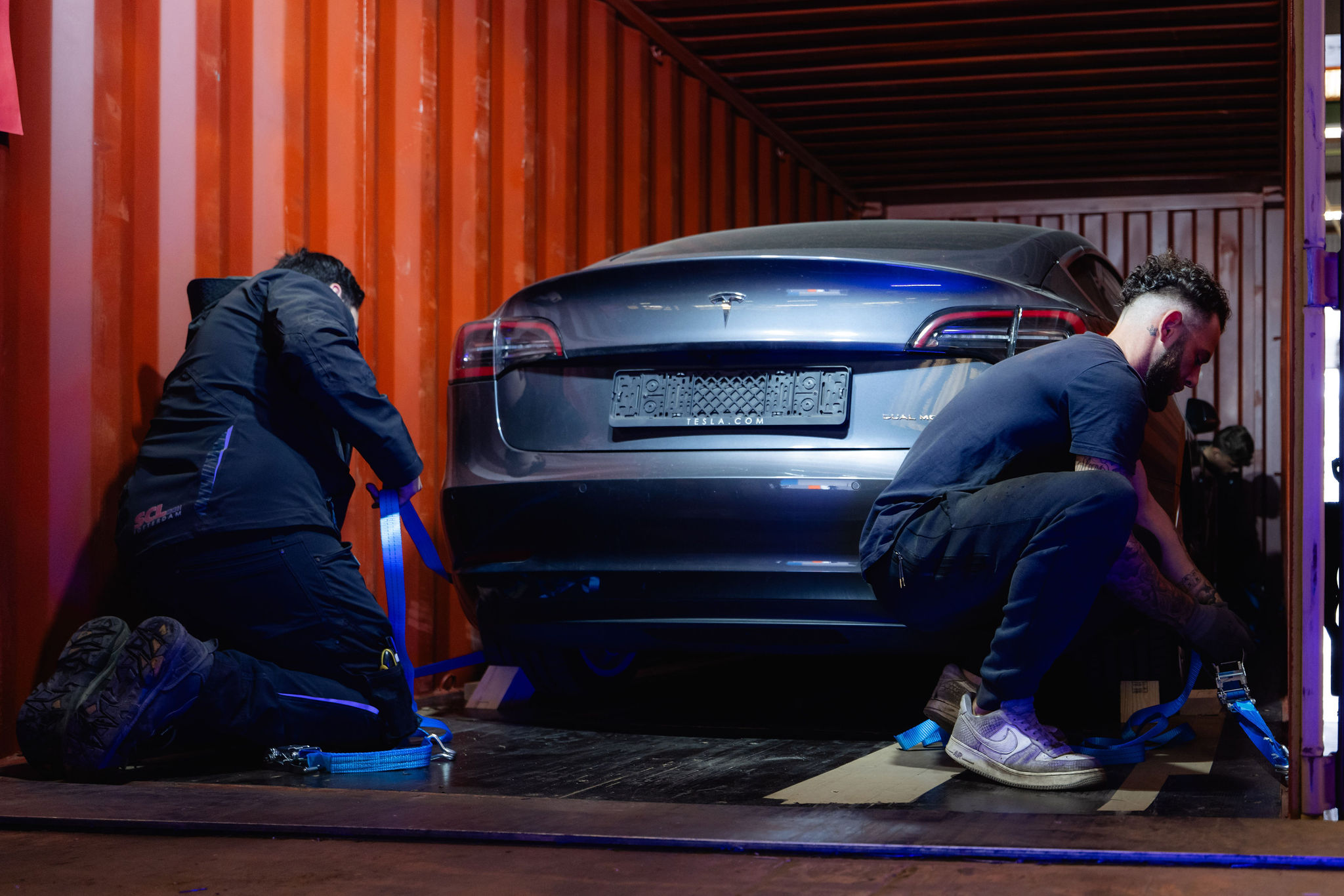
Due to these compounding factors, enclosed, stabilized container environments are rapidly becoming the absolute preferred method for long-distance international EV transport. Flagship Forwarding excels in the complex art of Container Transloading, ensuring vehicles are meticulously secured, braced, and completely protected from origin to final destination.
Navigating the 2026 IMO Safety and Emissions Regulations
Perhaps the most critical operational development in 2026 auto transport is the intense regulatory crackdown on maritime emissions and the carriage of lithium-ion battery-powered vehicles. The International Maritime Organization (IMO) is actively executing comprehensive updates to global shipping protocols.
First is the profound impact of the IMO Net-Zero Framework. Approved at the MEPC 83 meeting in April 2025 and expected to enter into force by 2027, this framework mandates progressive reductions in the Greenhouse Gas Fuel Intensity (GFI) of marine fuels. Ships that fail to meet these stringent targets will be subject to a global economic pricing mechanism, forcing them to purchase "Remedial Units".
Secondly, and more directly related to auto transport, are the critical updates to the International Maritime Dangerous Goods (IMDG) Code. Recognizing the severe fire risks associated with high-density batteries, the IMO has updated Special Provisions (SP) 961 and 962. These strict regulations mandate that:
- Specialized Stowage Areas: Hybrid and lithium battery-powered vehicles must be placed in highly specific, approved areas of a ship built to prevent and contain fires, strictly limiting available RORO space.
- Mandatory Electrical Insulation: EV batteries must be completely and verifiably electrically insulated prior to transport to prevent accidental discharge or short-circuiting at sea.
- Dual Fuel Compliance: Vehicles powered by both flammable liquid and gas fuels face mandated, exhaustive full compliance checks before they are permitted to board a vessel.
Failing to comply with these rigorous documentation and preparation standards can lead to severe operational delays. Flagship Forwarding expertly handles all necessary customs compliance and auto shipping requirements, ensuring your vehicles move smoothly across borders.
More Logistics Insights
Expert perspectives, industry updates, and practical strategies for navigating global freight and supply chain challenges.
view all articles

Request Information
.webp)
.avif)
How can we help?
1-877-543-9767
Ready to Optimize Your Supply Chain?
Get a tailored quote within 24 hours.

20+
Years of Experience
.svg)
120+
Countries Served
.png)
3500+
Active Clients
24/7
Worldwide Support