.webp)
.png)
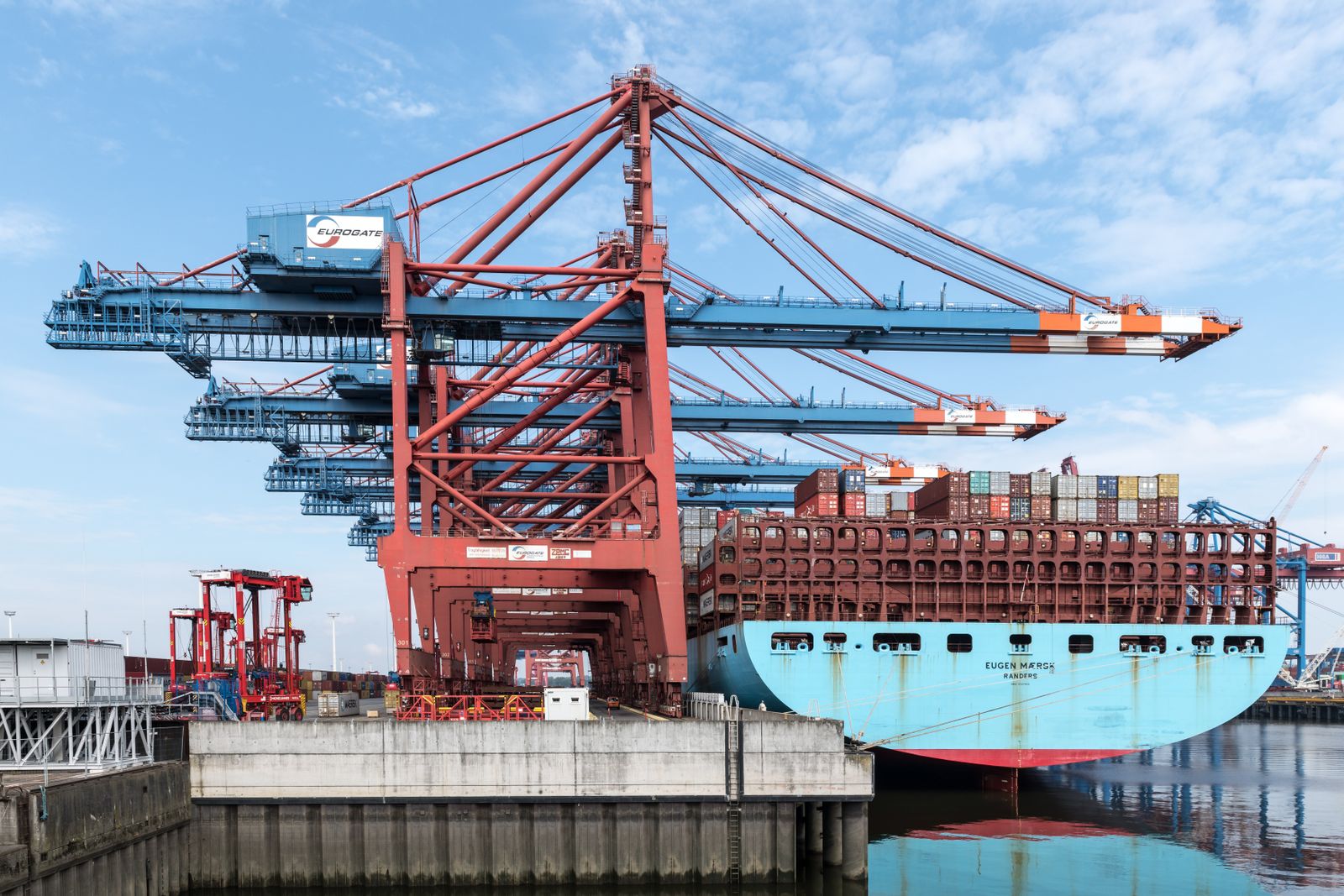
The Importer Security Filing must be submitted before your cargo is loaded overseas. Miss it and CBP can assess $5,000 per violation. Here is how it works.

Warehousing and Distribution: The Freight Forwarder Service Most Businesses Overlook
Freight forwarders do more than move cargo between ports. Warehousing and distribution support can simplify your supply chain even further.
How U.S. Tariff Changes Are Affecting Global Freight
Most businesses think of a freight forwarder purely as the company that gets cargo from a factory to a port and onward to a destination. That's the core of the job, but many forwarders — including Flagship Forwarding — also offer warehousing and distribution support that extends well beyond the shipment itself.
Why Warehousing Matters After the Shipment Arrives
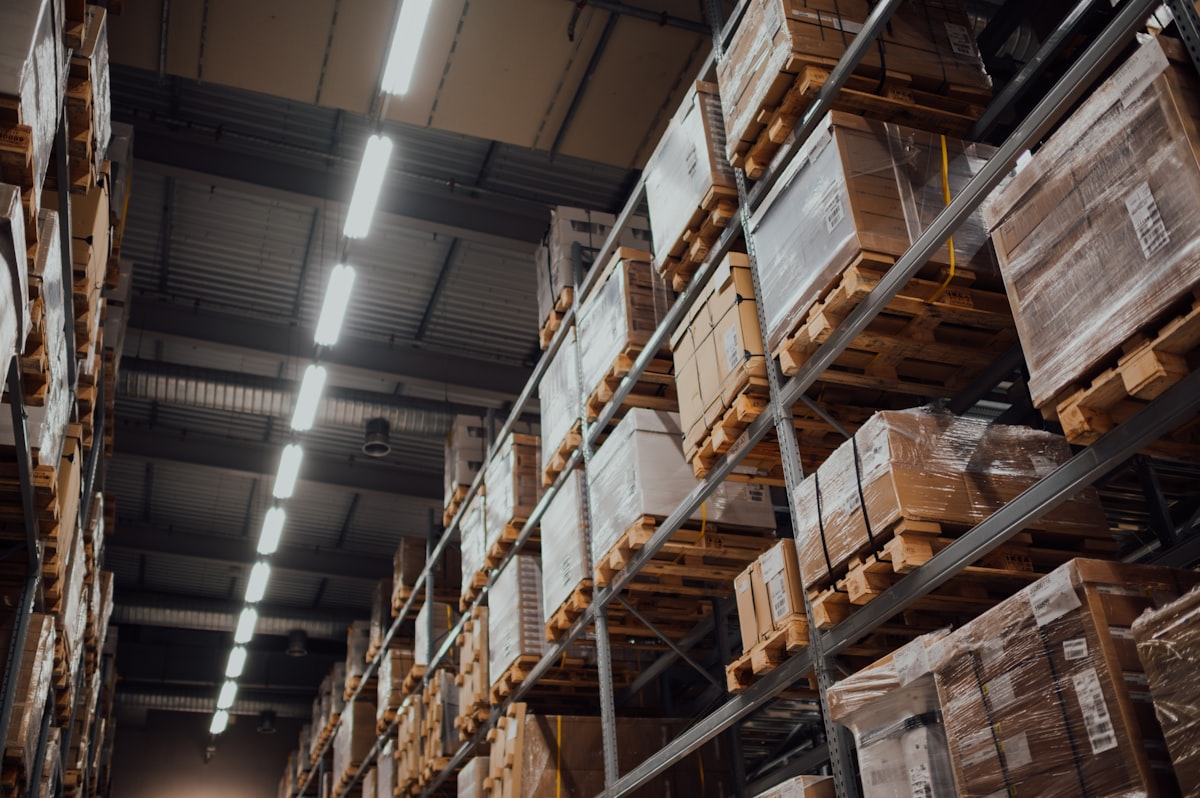
Getting a container through customs is only half the logistics problem. Once goods land, they need somewhere to sit before they're broken down, repackaged, or sent onward to customers or retail partners. Coordinating that separately from your shipping partner adds another vendor relationship and another point of failure.
Consolidation and De-consolidation
Warehousing support allows a full container load to be broken down into smaller shipments for regional distribution, or several smaller shipments from different suppliers to be consolidated into a single onward delivery. That flexibility matters for businesses receiving goods from multiple manufacturers who want one clean distribution process at the other end.
Reducing the Number of Handoffs
Every time cargo changes hands between different providers, there's a chance for delay, damage, or miscommunication. A forwarder that can carry a shipment from origin through customs clearance and into short-term storage or onward distribution reduces the number of handoffs your goods go through — and the number of parties you need to coordinate with if something needs attention.
Who This Matters Most For
Businesses managing seasonal inventory, multiple retail or distribution points, or irregular order volumes benefit most from having warehousing bundled with freight forwarding. It turns a single shipment into a flexible pipeline rather than a one-time delivery.
Flagship Forwarding can advise on warehousing and distribution options alongside standard freight forwarding. Get in touch to discuss how it fits your supply chain.
More Logistics Insights
Expert perspectives, industry updates, and practical strategies for navigating global freight and supply chain challenges.

view all articles

Request Information
.webp)
.avif)
How can we help?
1-877-543-9767
Ready to Optimize Your Supply Chain?
Get a tailored quote within 24 hours.

20+
Years of Experience
.svg)
120+
Countries Served
.png)
3500+
Active Clients
24/7
Worldwide Support