.webp)
.png)

Some cargo is too big or too heavy for a standard container. Here is what out of gauge and heavy lift cargo means, and why the planning timeline runs longer.

Ocean Freight vs Air Freight: Choosing the Right Shipping Method
A comparison of ocean and air freight to help businesses choose the most efficient shipping method for their cargo.

How U.S. Tariff Changes Are Affecting Global Freight
International shipping offers several transportation options, but the two most commonly used methods are ocean freight and air freight. Choosing the right shipping method can significantly affect delivery speed, transportation costs, and overall supply chain efficiency.
For businesses moving goods across global markets, understanding the strengths and limitations of each option is essential. The right choice often depends on factors such as shipment size, urgency, product value, and destination.
In this article, we explain the key differences between ocean and air freight and how businesses can determine the most effective transport solution for their shipments.
Understanding Ocean Freight
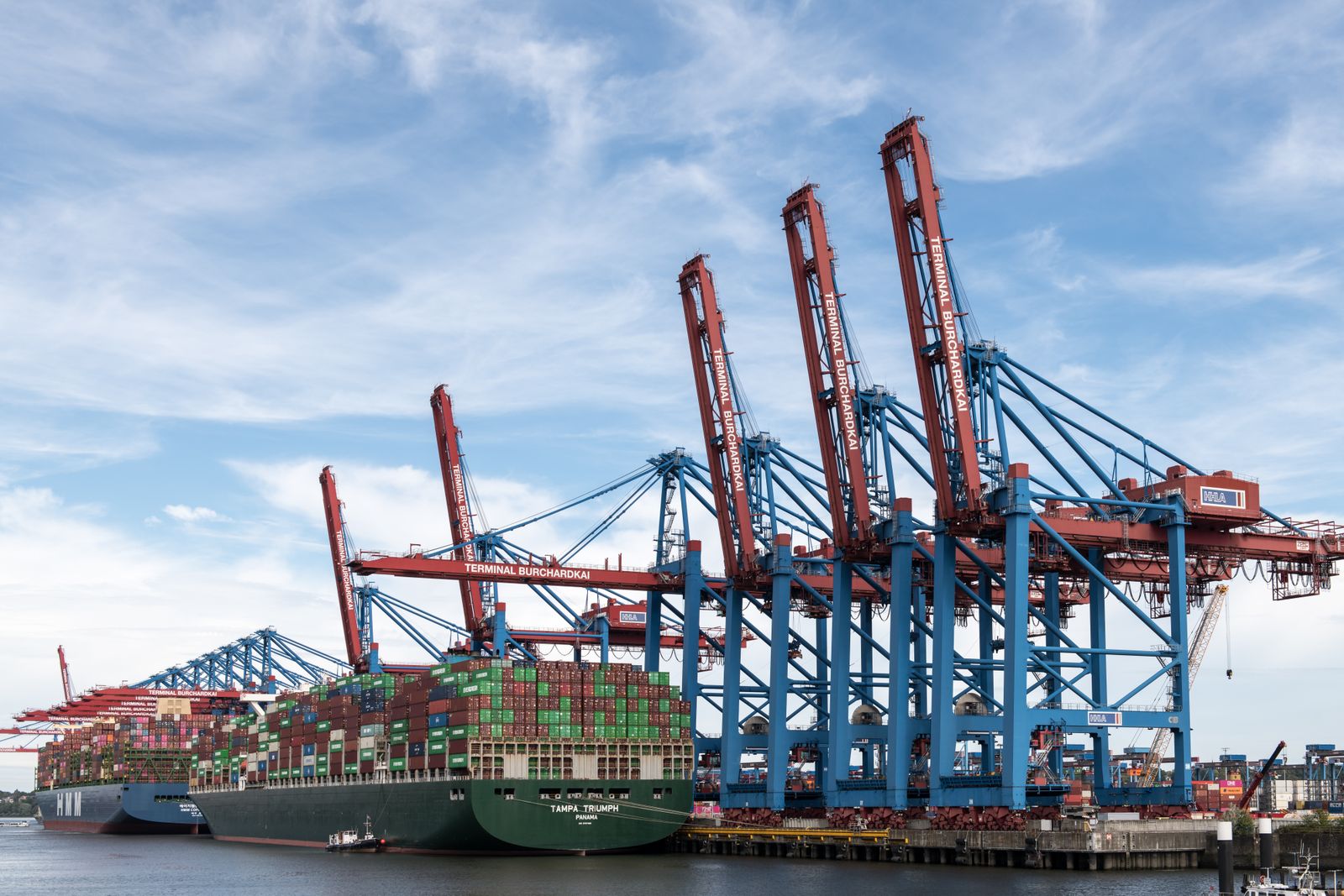
Ocean freight is the most widely used method for transporting goods internationally. Large container ships move thousands of containers across global trade routes every day, making sea transport one of the most cost effective ways to ship cargo internationally.
This method is particularly suitable for large shipments, heavy goods, and bulk cargo. Businesses transporting manufacturing materials, retail inventory, or industrial equipment often rely on ocean freight because it allows them to move large volumes at relatively low cost.
However, ocean freight typically involves longer transit times. Depending on the shipping route and port congestion, shipments can take several weeks to reach their destination.
When Air Freight Makes More Sense
Air freight is significantly faster than ocean shipping and is often used when speed is critical. International air shipments can reach their destination within a few days, making this method ideal for urgent deliveries, time sensitive products, or high value cargo.
Because aircraft cargo space is limited and operating costs are higher, air freight tends to be more expensive than sea transport. Businesses must evaluate whether the faster transit time justifies the additional cost.
Air freight is commonly used for electronics, medical supplies, luxury goods, and other products where delivery speed is essential.
Choosing the Right Shipping Strategy
Selecting the right shipping method requires balancing cost, speed, and cargo requirements. In many cases, companies combine both methods depending on their logistics needs.
For example, a business may ship bulk inventory by ocean freight while using air freight for urgent restocking shipments.
Working with an experienced freight forwarder allows companies to evaluate their supply chain and choose the most efficient transport strategy for each shipment.
More Logistics Insights
Expert perspectives, industry updates, and practical strategies for navigating global freight and supply chain challenges.
view all articles

Request Information
.webp)
.avif)
How can we help?
1-877-543-9767
Ready to Optimize Your Supply Chain?
Get a tailored quote within 24 hours.

20+
Years of Experience
.svg)
120+
Countries Served
.png)
3500+
Active Clients
24/7
Worldwide Support