.webp)
.png)

Some cargo is too big or too heavy for a standard container. Here is what out of gauge and heavy lift cargo means, and why the planning timeline runs longer.

Understanding Recent U.S. Tariff Changes and What Importers Should Know
Recent U.S. tariff updates may impact import costs, customs procedures, and documentation requirements for international shipments.
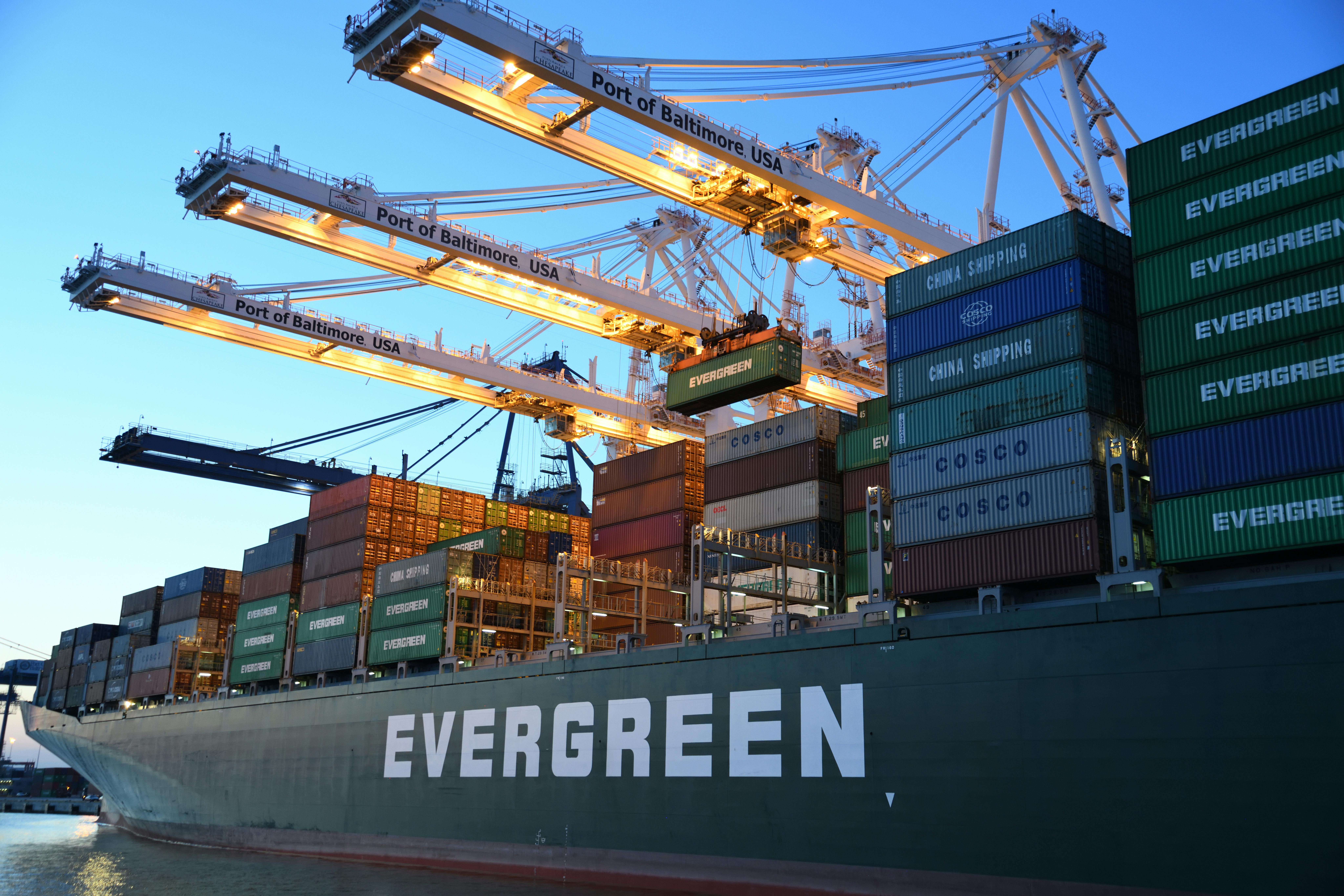
How U.S. Tariff Changes Are Affecting Global Freight
Recent updates to U.S. tariff regulations are beginning to impact global trade, affecting how goods are imported into the United States and how freight shipments are processed at customs. For businesses that rely on international logistics, even small changes to tariff classifications or duty rates can significantly increase costs or create unexpected delays.
Understanding these changes is essential for companies that want to maintain efficient supply chains and avoid compliance issues. Importers must now pay closer attention to product classifications, documentation accuracy, and evolving customs requirements.
In this article, we explain what the latest tariff changes mean for businesses and how companies can prepare their logistics operations to adapt.
Understanding the Recent Tariff Updates
Tariffs are government imposed duties on imported goods. They are often adjusted in response to economic policy, trade negotiations, or changes in domestic industry protection strategies.
Recent updates to U.S. tariff policies have introduced adjustments to duty rates on certain imported products, as well as tighter enforcement of classification accuracy. These changes can affect a wide range of industries, including manufacturing, electronics, consumer goods, and raw materials.
For businesses importing into the United States, this means that incorrect product classifications or incomplete documentation can result in additional inspections, unexpected duties, or shipment delays.
How Tariff Changes Affect Freight Shipping
Tariff changes have a direct impact on logistics operations. When duty rates increase or classification requirements change, importers may need to update documentation, reevaluate shipping routes, or adjust their pricing strategies.
Freight forwarders play a critical role in helping businesses navigate these changes. Accurate customs documentation, proper tariff classification, and compliance with international shipping regulations are essential for avoiding disruptions.
Companies that fail to prepare for regulatory changes often face higher costs due to delayed cargo clearance, storage fees, or unexpected duty payments.
Strategies for Businesses to Stay Compliant
To minimize risk and maintain efficient shipping operations, businesses should take a proactive approach to tariff changes.
Key strategies include:
• Reviewing product classifications regularly
• Working closely with freight forwarding partners
• Getting documentation right before shipments depart
• Monitoring regulatory updates that may affect import costs
Partnering with an experienced logistics provider helps shipments remain compliant with customs requirements while minimizing delays.
As global trade regulations continue to evolve, businesses must remain informed about changes that affect import duties and customs procedures. Recent U.S. tariff adjustments highlight the importance of proper documentation, accurate classification, and strong logistics partnerships.
Companies that stay proactive and work with experienced freight forwarding providers will be better positioned to manage regulatory changes while maintaining reliable supply chains.
More Logistics Insights
Expert perspectives, industry updates, and practical strategies for navigating global freight and supply chain challenges.

view all articles

Request Information
.webp)
.avif)
How can we help?
1-877-543-9767
Ready to Optimize Your Supply Chain?
Get a tailored quote within 24 hours.

20+
Years of Experience
.svg)
120+
Countries Served
.png)
3500+
Active Clients
24/7
Worldwide Support