

Transloading moves freight from one mode of transport to another. Cross docking moves it straight through a dock. How each works and which one you need.

Transloading vs Cross Docking: What Is the Difference?
Transloading moves freight from one mode of transport to another. Cross docking moves it straight through a dock. How each works and which one you need.
How U.S. Tariff Changes Are Affecting Global Freight
Transloading moves cargo from one mode of transport to another, usually from an ocean container onto a domestic truck or railcar, and the goods can sit in a warehouse for a while in between. Cross docking moves cargo from an inbound truck straight onto an outbound one, normally within a day and without storage. Both happen on a loading dock and both cut handling and storage costs, but they solve different problems. Which one you need depends on where your freight is coming from and how fast it has to leave.
What Transloading Is
An import container arrives at a US port. Instead of trucking that same container all the way to your warehouse, the cargo is taken out near the port and reloaded onto a different piece of equipment for the rest of the journey. That might be a 53 foot domestic trailer, a flatbed, a step deck or a railcar. The ocean container goes back to the carrier empty, and the cargo carries on inland without it.
Transloading is about the change of mode. The cargo can be sorted, counted, palletized or held for a few days on the way through, which is why it is often paired with warehousing and distribution rather than treated as a separate job.
What Cross Docking Is
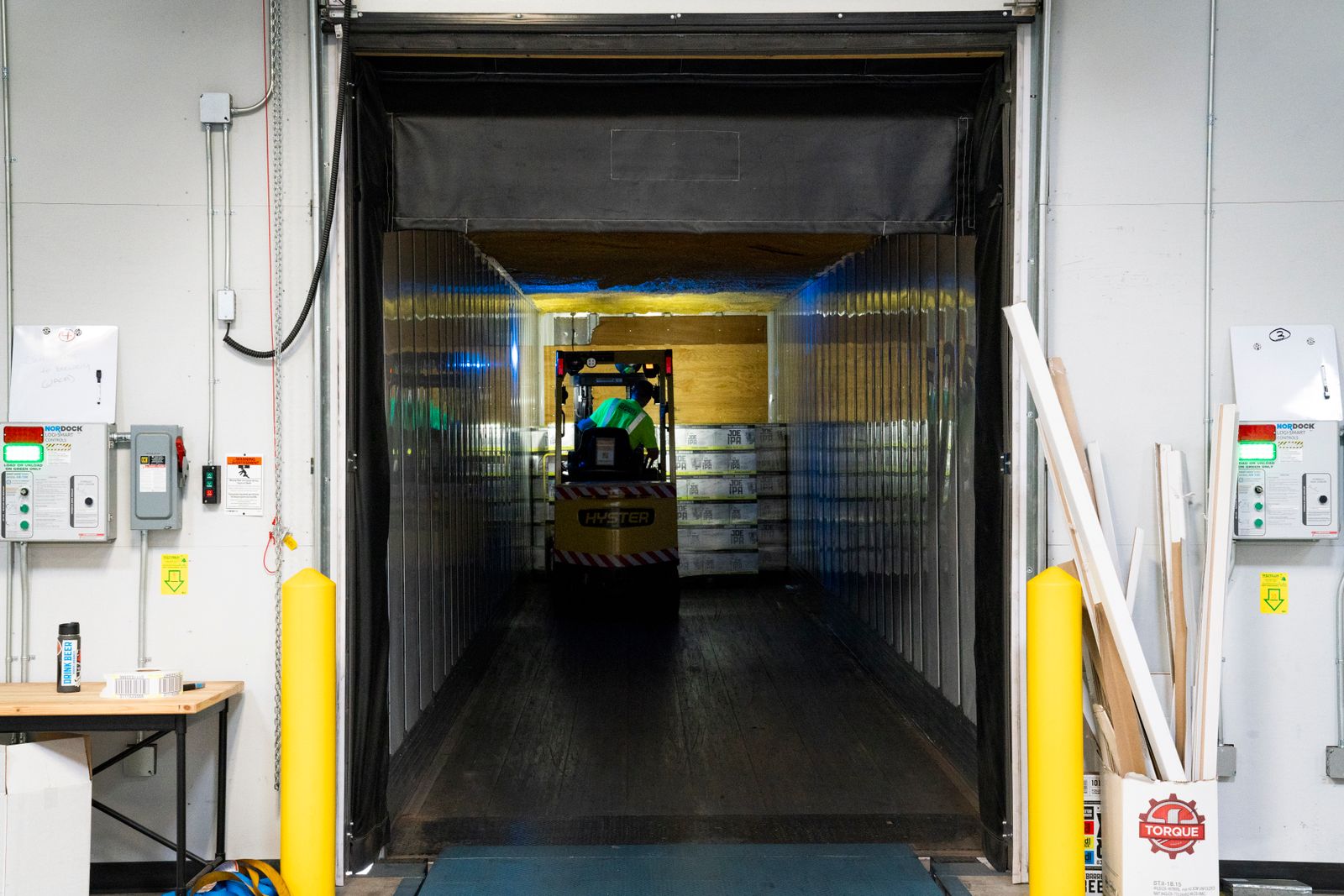
Cross docking is about speed. Inbound freight arrives at a dock, is sorted by destination, and is loaded onto outbound trucks, often within hours. Nothing goes into storage. A retailer might bring in full trailers from several suppliers, split them by store, and send mixed loads out the other side the same day.
The mode usually stays the same, truck in and truck out. The point is to break loads down and build new ones without the cost of putting goods on a shelf and picking them again later.
The differences that matter come down to four things.
- Mode. Transloading changes it, ocean or rail to truck for example. Cross docking usually does not.
- Storage. Transloaded cargo can be held for days if the next leg is not ready. Cross docked cargo is meant to leave the same day.
- Typical freight. Transloading suits international containers, project cargo and anything that has to be reconfigured for the inland leg. Cross docking suits fast moving goods that are already palletized and labeled.
- Where it happens. Transloading facilities tend to sit close to ports and rail terminals. Cross docks sit close to the customers being served.
Why Importers Transload at the Port
The first reason is the clock on the box. An ocean carrier's container is on free time from the day it is discharged, and every day it spends travelling inland and sitting at your dock waiting to be unloaded can count against you. Emptying it near the port and returning it quickly is the simplest way to keep demurrage and detention charges off the invoice.
The second is equipment. International containers come in 20 and 40 foot lengths. Domestic trailers in the US are commonly 53 feet, so the contents of three 40 foot containers will often fit into two domestic trailers. Fewer trucks on the inland leg can mean a lower bill, and it removes the need for a container chassis, which is one of the costs covered in our guide to drayage and chassis charges.
The third is cargo that simply cannot travel inland as it arrived. Oversized machinery on a flat rack has to come off at the port and go onto road equipment that suits its size and weight.
What Transloading Looks Like in Practice
Three jobs from our own case studies show the range.
Rolling mill equipment arrived at the Port of New Jersey on flat rack containers. It was offloaded at the port and transferred onto a step deck trailer suited to oversized inland transport, then delivered across the country to a US mill.
Oversized cargo from Japan came into Long Beach for an energy client. It went through a transloading facility at the port, was reconfigured onto flatbed trailers, and travelled across several states to the final site. Our guide to out of gauge and heavy lift cargo covers why loads like these need that extra step.
A container bound for a trade show arrived late into New Jersey with a fixed setup date. It went straight to a nearby transloading warehouse, where the cargo was unloaded, sorted and sent on by expedited transport so it reached the event on time.
None of those were cross docking jobs. Each needed cargo taken out of one piece of equipment, handled with care, and put into another that suited the next leg.
Which One Do You Need?
If your freight arrives in ocean containers and travels inland by road or rail, transloading is the question to ask about. It is worth asking early, before the container lands, because the free time clock starts at discharge.
If your freight is already palletized, already moving by truck, and needs splitting between several destinations the same day, cross docking is the better fit.
Many supply chains use both. Containers are transloaded near the port, and some of that cargo is later cross docked closer to where it sells.
If you are importing through a US port and want to know whether transloading would cut your inland costs, see our container transloading service or ask us for a quote with your cargo details.
More Logistics Insights
Expert perspectives, industry updates, and practical strategies for navigating global freight and supply chain challenges.
view all articles

Request Information


How can we help?
1-877-543-9767
Ready to Optimize Your Supply Chain?
Get a tailored quote within 24 hours.

20+
Years of Experience

120+
Countries Served

3500+
Active Clients
24/7
Worldwide Support